

Creative Design & Digital Art
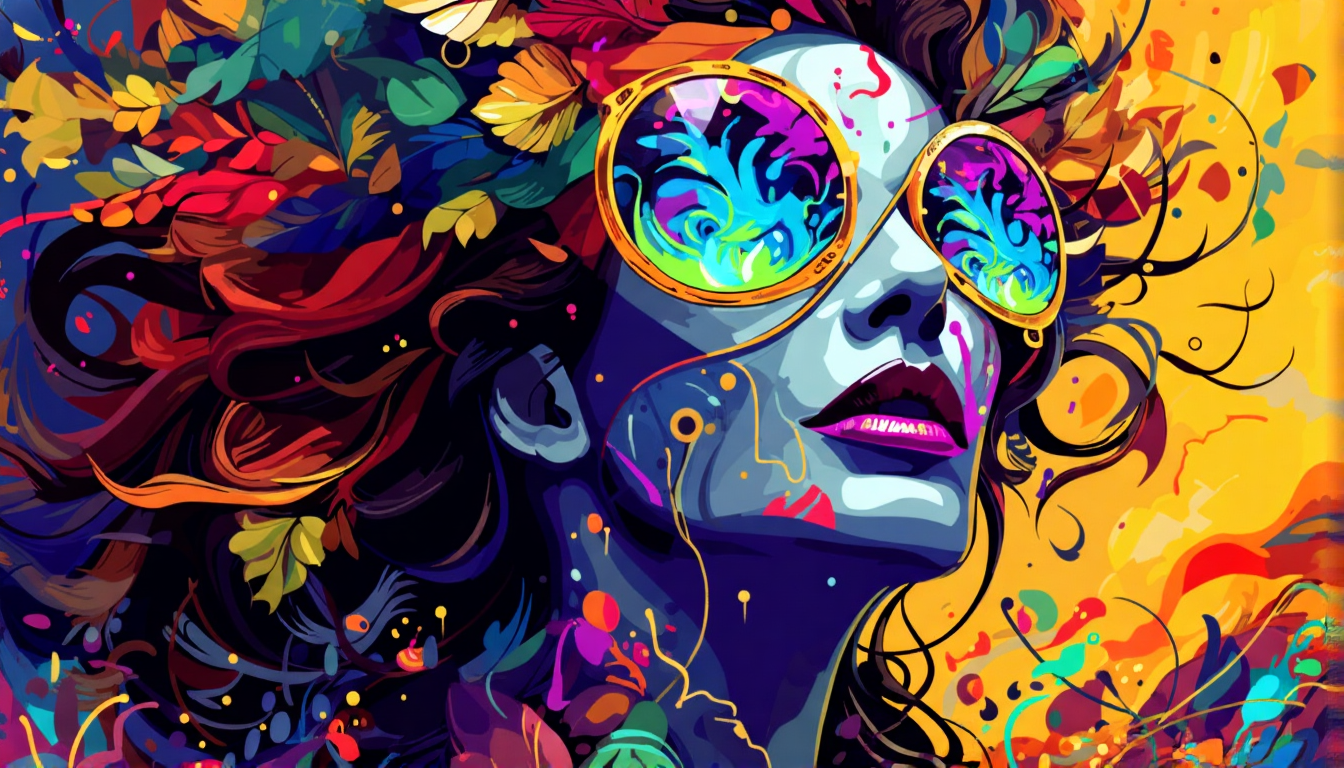
History of Animation & Fundamentals, Perspective & Character Design, cinematography & Photography Color Theory & Lighting, Pixel Art Creation, Principles of 2D Animation, Storyboarding Essentials, Visual Design & Communication, Digital Illustration
Learning Outcome
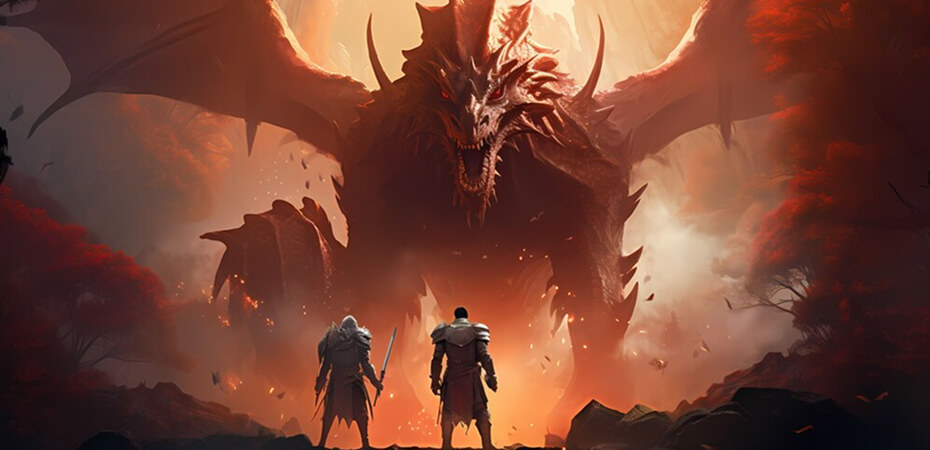
Students will build a strong foundation in animation and digital art, learning 2D techniques, perspective drawing and character design. They’ll explore animation history, visual storytelling through storyboarding and key concepts like cinematography, color theory and lighting. Hands-on training in digital illustration will develop their skills in vector graphics and image editing. By term’s end, they’ll have created character designs, storyboards and digital art, ready for advanced studies ahead.

Motion Design & Digital Media
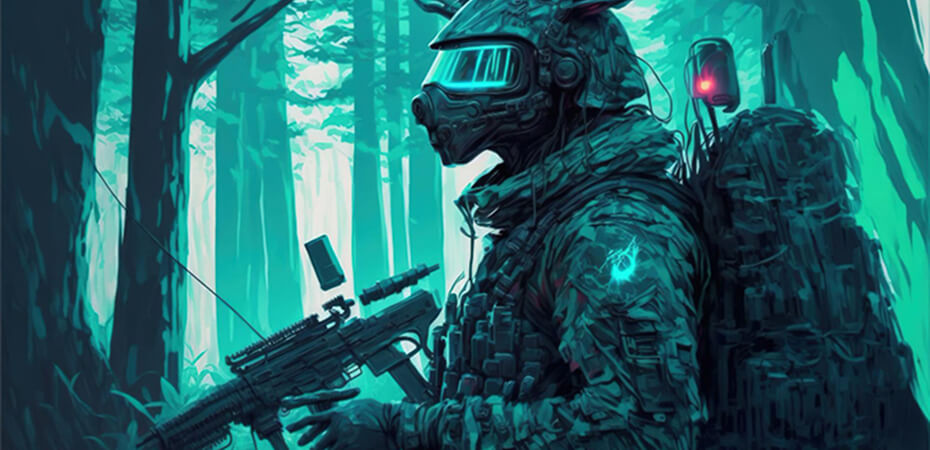
Cinematic Editing, Digital Sound Design, 2D Animation Techniques, Motion Graphics Mastery, Color Grading for Storytelling, AI for Visual Art, Portfolio Development
Learning Outcome
Students will develop strong skills in motion graphics and digital media production, mastering video editing in Premiere Pro and enhancing projects with professional sound design. They will advance their 2D animation abilities and learn to create dynamic motion graphics for diverse media platforms. The course also covers key post-production techniques such as color grading and the use of AI tools for content creation. Through practical projects, students will build a refined portfolio that showcases their ability to integrate motion design, sound and visual effects—preparing them for advanced studies or entry level roles in the field.

Introduction to the 3D World
CG Pipeline Basics, 3D Asset Creation for Films & Games, Digital Sculpting Texturing & Surface Detailing, Lighting Techniques, Portfolio Enhancement.
Learning Outcome
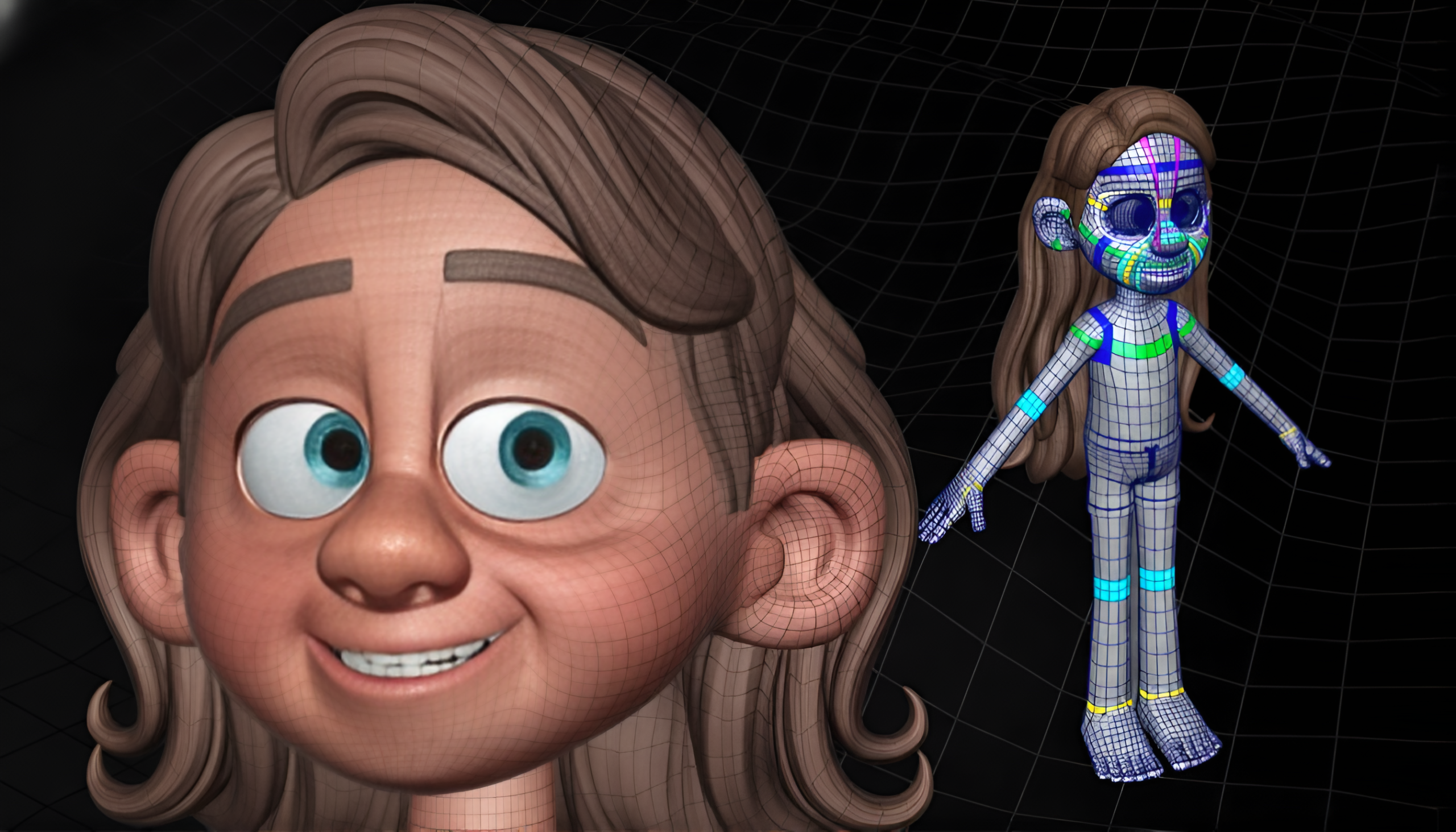
In this intensive term, students transition into 3D content creation, learning the full CGI pipeline from modeling to rendering. Using tools like Maya and ZBrush, they’ll build game-ready assets, sculpt high-res characters and create realistic textures with Substance Painter. The course also covers lighting and rendering with Arnold to produce cinematic visuals. Practical projects help students build a professional portfolio showcasing core 3D skills for careers in animation, gaming or VFX.
Advanced 3D Design & Cinematics
Rigging & Character Animation, 3D Animation Fundamentals, AI-Powered 3D Workflow, FX, Dynamics & Simulations, Cinematics with Unreal Engine, Hyper-Realistic Character Creation
Learning Outcome
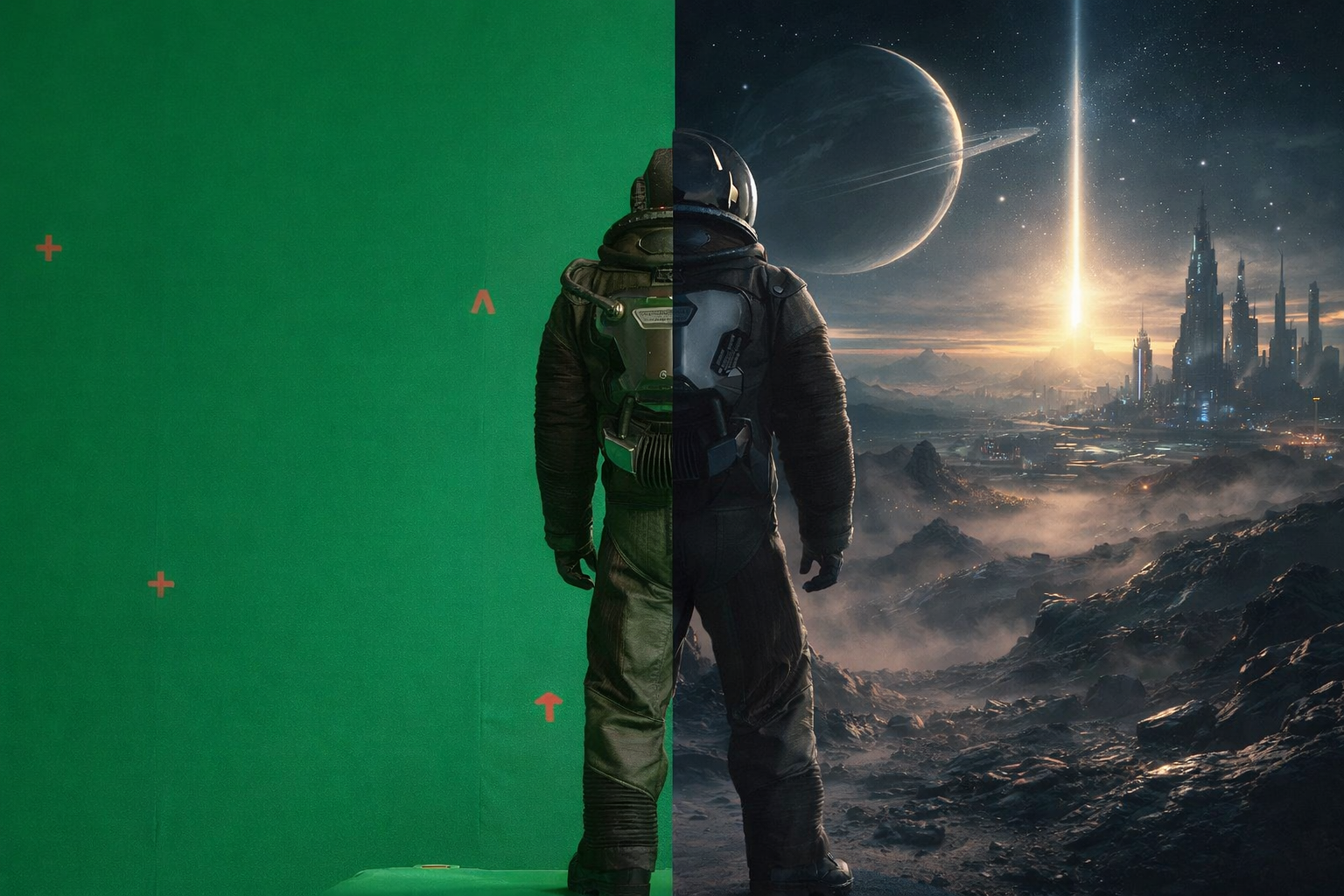
Students will advance their 3D production and character animation skills. They’ll master complex modeling, UV unwrapping and texture baking, while learning key animation principles and facial performance techniques. The term also covers dynamic simulations for cloth and hair, as well as advanced lighting and rendering methods. Through hands-on projects and a capstone assignment, students will develop a professional portfolio piece that showcases their full 3D workflow expertise.
Advanced FX & Compositing
Real World Replication, Virtual Production Basics, Procedural FX with Houdini, Advanced Rotoscoping, Camera Tracking, Compositing with Nuke, Portfolio Refinement,
Learning Outcome
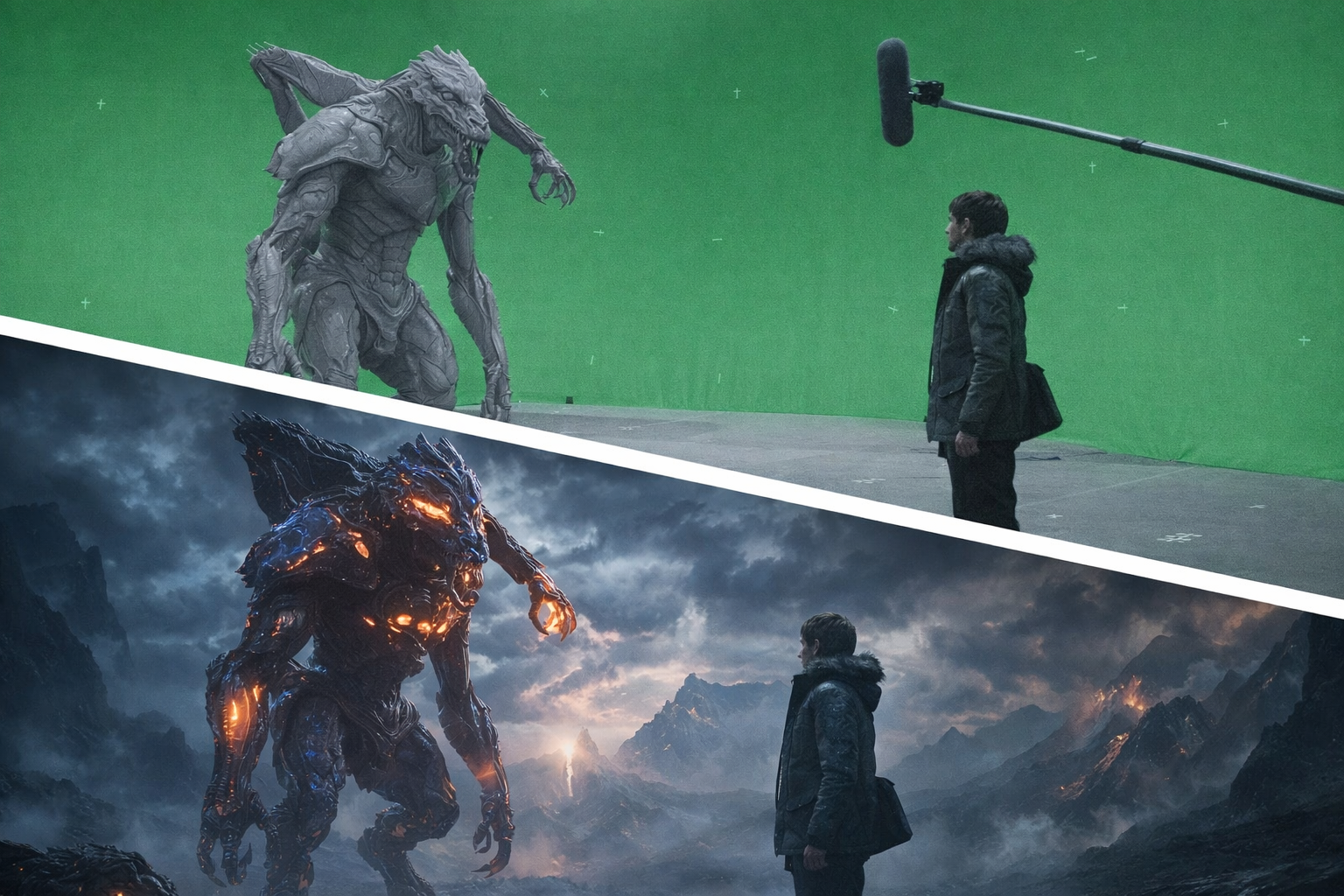
This term deepens students' skills by combining advanced 3D production with professional VFX techniques for film, TV and gaming. They’ll learn to integrate CG with live action using Nuke, create dynamic simulations in Houdini and master camera tracking and matchmoving. Training also includes digital matte painting and environment creation. A studio-style project simulates a full VFX pipeline, building real-world, problem-solving and portfolio-ready work.

Comprehensive Game Development
Unreal Engine for Game Development, Level Designing, Game Logic with Blueprints, Player Controls & Gameplay, UI/UX for Games, Audio Integration, Game Demo Creation, Final Portfolio Development.
Learning Outcome
In this final term, students become skilled Unreal Engine developers, using Blueprint visual scripting to build gameplay mechanics and AI without coding. They’ll create immersive 3D environments, design cinematic cutscenes with Sequencer and develop responsive UI/UX systems. Through a capstone project, students will produce a polished, portfolio-ready game demo, demonstrating their ability to manage the full game development workflow and preparing them for roles in game design and development.