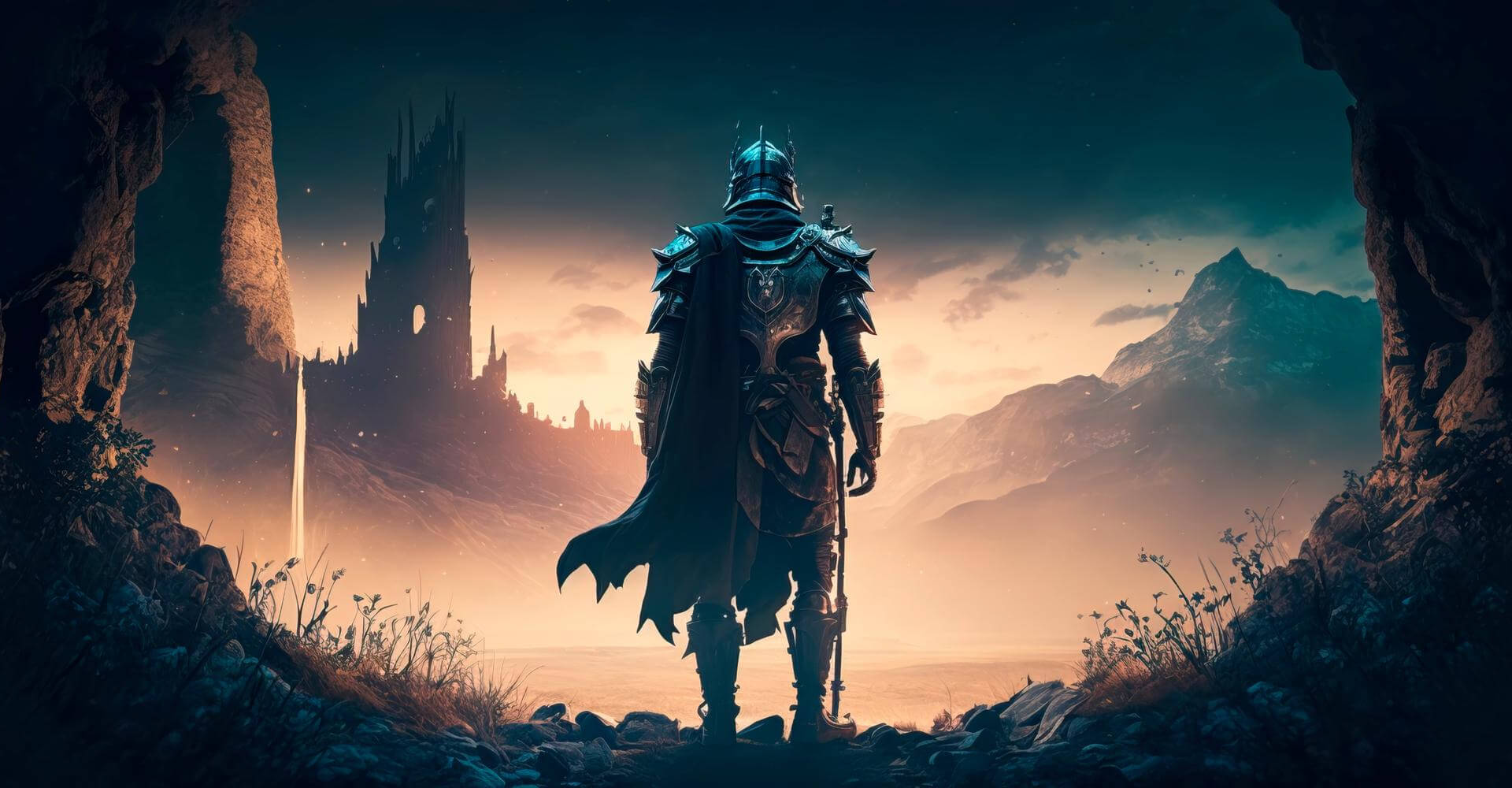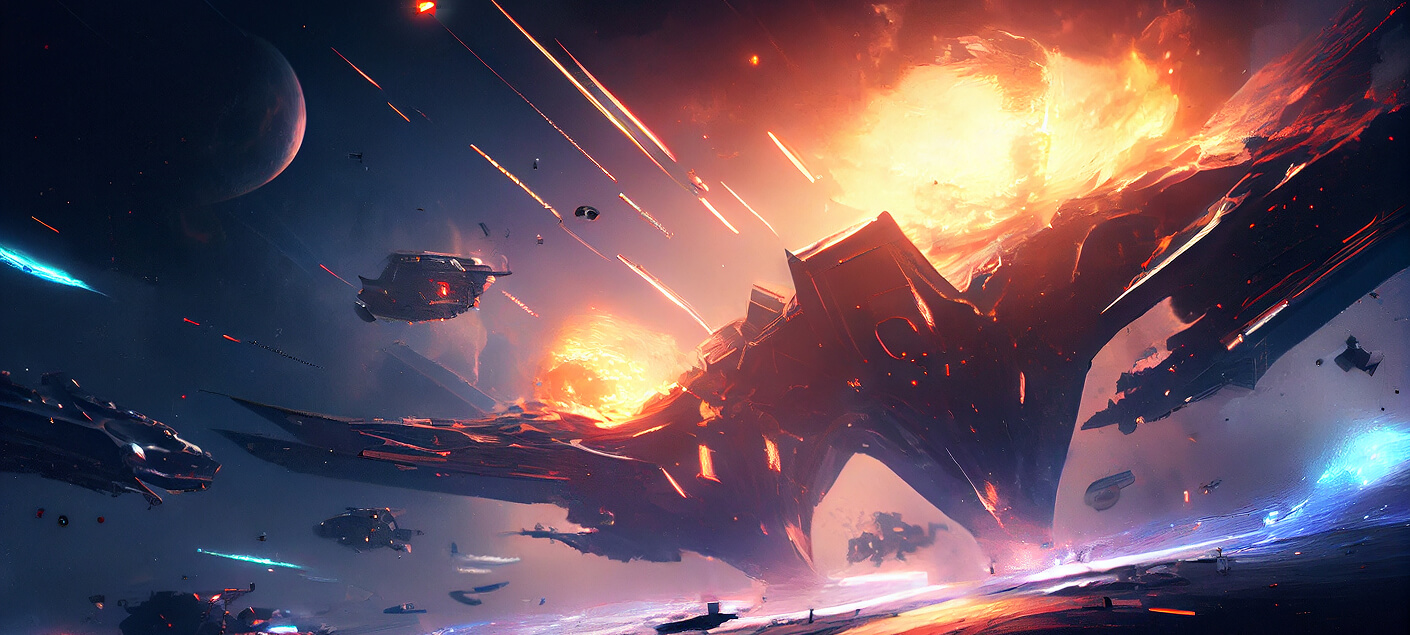
The Advanced Program in Game Art, Design and Development is designed for those looking to master the art and science of game creation. From mastering digital art and UI/UX design to learning game development techniques with Unreal Engine, this program covers the entire game creation process. Build immersive 2D and 3D environments, create engaging gameplay and develop your skills to produce industry-ready game demos, preparing you for a successful career in game art and development.
Advanced Game Art
1. Understanding Game Production Pipeline, 2. Asset Creation for CGI & Games, 3. Mastering Digital Sculpting, 4. Textures and Details, 5. Realistic Surface Creation, 6. Illuminating Assets, 7. Bringing Characters to Life with Rigging, 8. Art of 3D Animation, 9. Cinematic Realism with Unreal, 10. AI-Powered 3D Workflow, 11. Portfolio Powerhouse.
Duration: 600 Hours
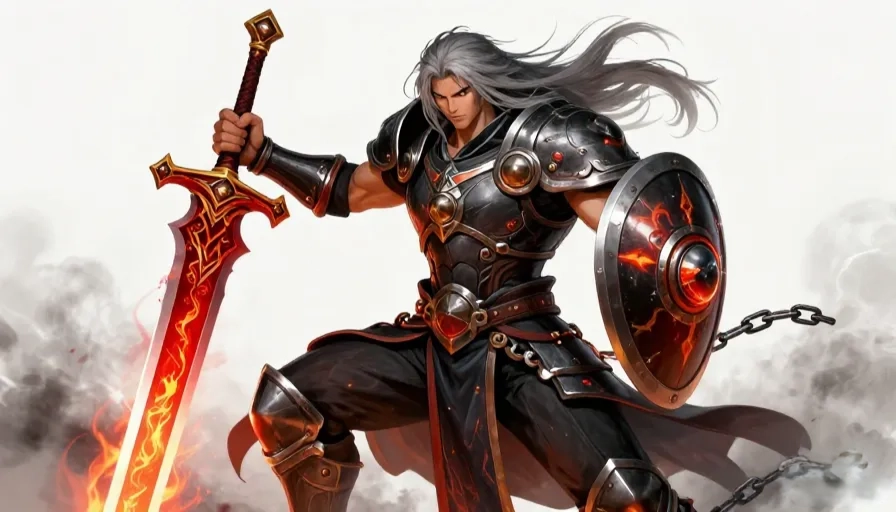
Comprehensive Game Development
1. Understanding Unreal Engine for Game Development, 2. Design Game Worlds with the Level Editor, 3. Create Game Elements with Actors, 4. Simplify Game Logic with Blueprints, 5. Set up Player Controls and Inputs, 6. Enhance Gameplay with Collision Systems, 7. Design User-Friendly Interfaces, 8. Integrate Audio for Immersive Experiences, 9. Export and Share your Game Demo, 10. Build a Standout 3D Portfolio, 11. Portfolio Powerhouse.
Duration: 600 Hours
OUTCOMES
Course Outcome
Arena Animation Specialist Program in Trinity (AVG) offers a comprehensive journey through the World of Digital content, Motion design, Realtime 3D, visual effects and game development. Students start by building a strong foundation in animation principles, storytelling and visual design, learning key skills like storyboarding, color theory and lighting. As they progress, they develop 2D animations, motion graphics and cinematic edits, integrating sound design for immersive experiences. The program then moves into advanced 3D content creation, including character design, sculpting, realistic texturing, rigging and animation. Students master simulations, procedural effects and cinematic workflows using industry tools and GenAI assisted processes. In the final phase, they dive into game development, learning level design, interactive systems and UI optimization. Through hands-on projects and a professional portfolio, students graduate ready for careers in animation, VFX or game design.